Face Cream: A Thoughtful Choice for Daily Hydration and Skin Support
A face cream is a topical emulsion formulated specifically for facial skin—designed to deliver hydration, reinforce the skin barrier, and support long-term resilience. Unlike body lotions or general moisturizers, face creams are typically lighter in texture, non-comedogenic, and pH-balanced for the thinner, more reactive skin on the face. They often include targeted actives like ceramides, hyaluronic acid, niacinamide, or peptides—but their core function remains consistent: to maintain moisture balance while adapting to environmental stressors and biological changes.
How Face Cream Differs from Other Moisturizing Options
Not all moisturizers are interchangeable—and understanding the distinctions helps avoid mismatched expectations. Body lotions, for example, prioritize spreadability and fast absorption over occlusion; they’re often higher in water content and lower in emollients, making them less effective for facial dryness or sensitivity. Night creams tend to be richer and may contain retinoids or antioxidants meant for overnight repair, whereas day creams usually include lightweight UV filters or antioxidant blends suited for daytime wear.
Face serums, though frequently used alongside face cream, serve a different purpose: they’re highly concentrated delivery systems for active ingredients, but lack the occlusive or emollient base needed to seal in moisture. A face cream acts as both a hydrator and a protective layer—locking in serum benefits while shielding against wind, pollution, and temperature shifts.
Gels and gel-creams occupy a middle ground—ideal for oily or combination skin types seeking hydration without heaviness. But for those with normal, dry, or mature skin, especially in cooler or drier climates, a traditional face cream offers more sustained nourishment and barrier reinforcement.
What Makes a Face Cream Effective—Beyond the Jar
Effectiveness isn’t determined solely by ingredient lists—it’s shaped by formulation integrity, stability, and compatibility with individual skin behavior. A well-designed face cream balances humectants (to draw water), emollients (to smooth), and occlusives (to prevent evaporation). It avoids unnecessary fragrances or alcohol that can disrupt barrier function over time. And crucially, it’s tested—not just for irritation, but for how it behaves across seasons, humidity levels, and daily routines.
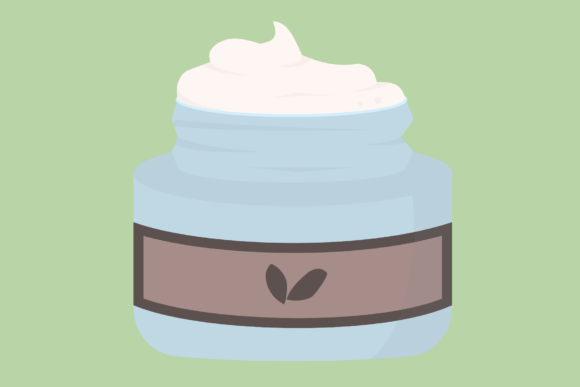
The light blue glass jar described—a minimalist vessel with a brown botanical label and two-leaf motif—signals intentionality. Glass packaging protects light-sensitive ingredients better than plastic, and the absence of excessive ornamentation reflects a focus on purity and transparency. That visual language aligns with what many users now seek: clarity over clutter, efficacy over embellishment.
Fitting Face Cream Into a Realistic Skincare Routine
A face cream doesn’t need to be complicated to be valuable. In a basic routine, it follows cleansing and toning, and precedes sunscreen in the morning—or stands alone at night after treatment steps. Its role is functional: to restore and sustain hydration without competing with other products.
For someone using vitamin C in the morning, a face cream applied afterward helps preserve the antioxidant’s activity by preventing rapid oxidation. For those incorporating retinol at night, a face cream applied 10–15 minutes later can ease potential dryness or flaking—without diluting the retinoid’s effect. Timing and layering matter more than product count.
That said, over-layering—adding multiple creams, oils, or balms—can overwhelm the skin’s natural turnover process. A single, well-formulated face cream often delivers more consistent results than stacking three lighter products with overlapping functions.
When Face Cream Fits Best—and When It Might Not
A face cream tends to be most beneficial for people whose skin shows signs of dehydration—tightness after washing, fine lines that appear more pronounced when skin is dry, or seasonal dullness. It’s also commonly preferred by those over 30, as natural ceramide and hyaluronic acid production gradually declines, increasing reliance on external support.
But it’s not universally ideal. People with persistent acne or severe seborrheic dermatitis may find even “non-comedogenic” face creams too rich during flare-ups—opting instead for gel-based hydrators or barrier-supporting mists until inflammation subsides. Similarly, individuals living in consistently humid environments (e.g., coastal Southeast Asia or tropical regions) may prefer lighter textures year-round.
Age alone doesn’t dictate need. A 22-year-old with chronically dry, eczema-prone skin may rely heavily on a nourishing face cream, while a 48-year-old with balanced, resilient skin might use one only during winter months—or alternate with a hydrating serum alone.
Comparing Formats: Jars vs. Tubes vs. Pumps
Format affects both usability and preservation. Jars—like the illustrated light blue glass version—allow full access to the product and make it easy to gauge remaining quantity. However, repeated finger contact introduces contamination risk and can degrade sensitive ingredients faster. That’s why high-quality jar formulas often include robust preservative systems and stable, less-reactive actives.
Tubes offer hygiene advantages and portability, but may obscure how much remains—and some users report difficulty dispensing thicker creams evenly. Airless pumps minimize exposure and waste, yet add cost and complexity, and aren’t always compatible with very viscous textures.
The illustrated jar’s design—clean lines, matte brown label, subtle botanical motif—doesn’t just signal luxury; it communicates care in material choice and user experience. Glass is infinitely recyclable, and the two-leaf symbol quietly reinforces a commitment to botanical integrity—not as marketing shorthand, but as a design cue aligned with formulation values.
Practical Considerations Before Choosing
Before selecting any face cream, consider your climate, current routine, and recent skin behavior—not just long-term goals. If you’ve recently introduced an exfoliant or changed cleansers, your skin’s tolerance may shift temporarily. A face cream that worked perfectly last winter may feel insufficient during summer heat—or overly heavy during a humid monsoon.
Also weigh consistency of use. A product only used sporadically won’t yield reliable insight into its effects. Most meaningful results emerge over 4–6 weeks of consistent application—paired with observation, not expectation. Look for changes in softness, reduced tightness, or improved makeup adherence—not just dramatic “glow” claims.
Price point matters less than fit. An affordable face cream with proven barrier-supporting ingredients may outperform a costly one loaded with trendy but unstable extracts. Likewise, fragrance-free options are often more tolerable for sensitive or reactive skin—even if they lack olfactory appeal.
Making a Grounded Decision
Face cream sits at the intersection of science and habit: it’s neither a miracle nor a mere accessory. Its value emerges through thoughtful integration—not as a standalone solution, but as part of a responsive, adaptable approach. The illustrated jar—with its quiet elegance and functional clarity—mirrors that principle: no exaggerated promises, no visual noise—just a vessel designed to hold something purposeful.
If your skin responds well to emollient-rich hydration, benefits from consistent barrier support, and prefers formulations that avoid synthetic fragrances or harsh surfactants, then a well-structured face cream is likely a sound addition. If your needs center more on oil control, breakout prevention, or intensive treatment, it may serve best as a secondary step—or be replaced entirely by lighter, more targeted alternatives.
There’s no universal “best” face cream—only the one that aligns with your skin’s current behavior, your environment, and your capacity for consistency. That alignment, more than any label or jar, defines real effectiveness.